
Playground
Safe, soft and hygienic artificial grass engineered for children's play areas.
Playground Products
9 products
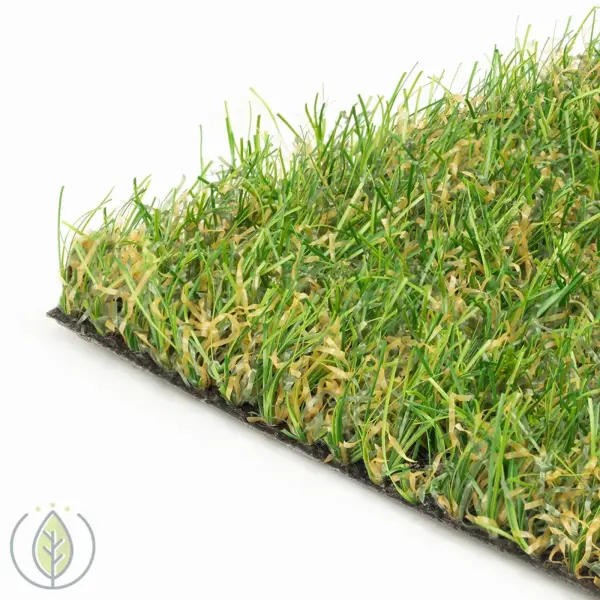
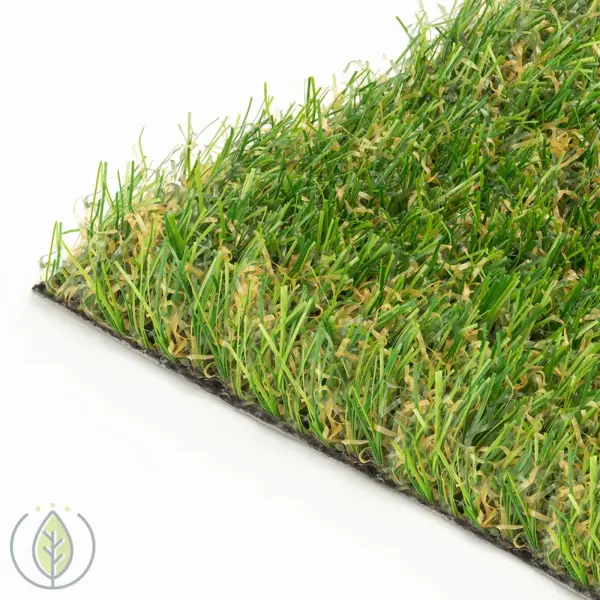
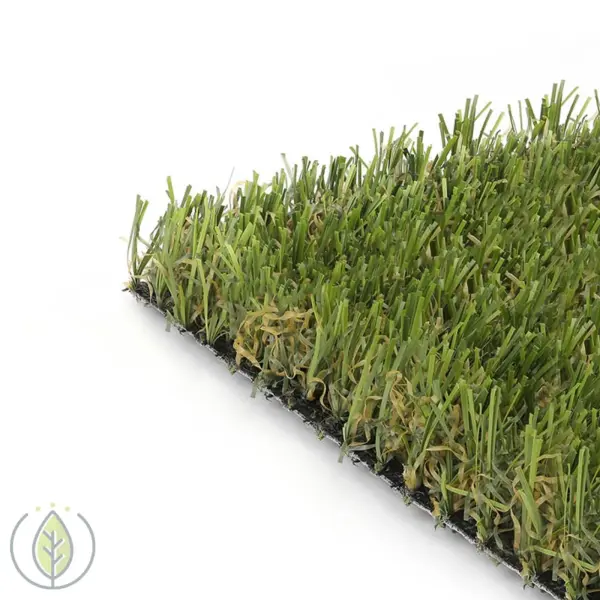
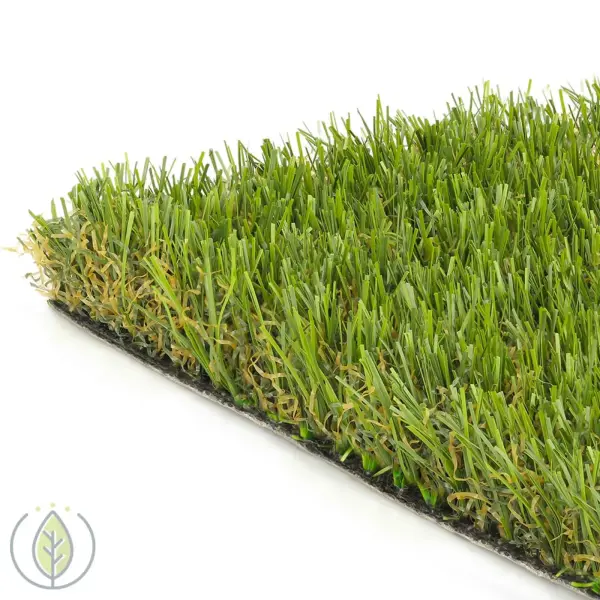
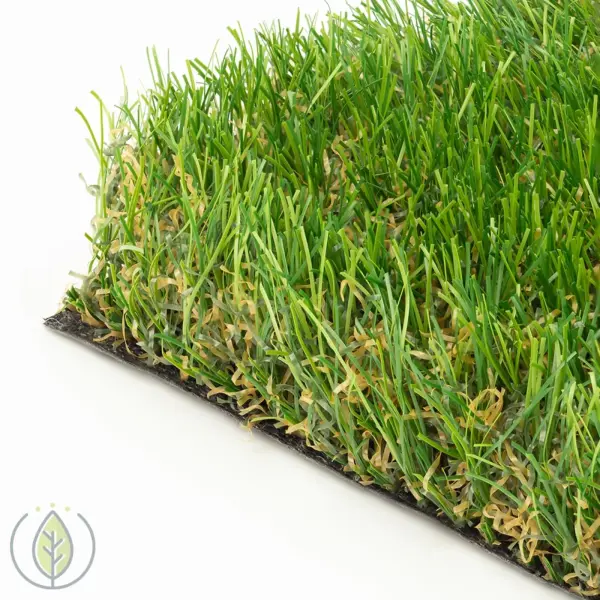
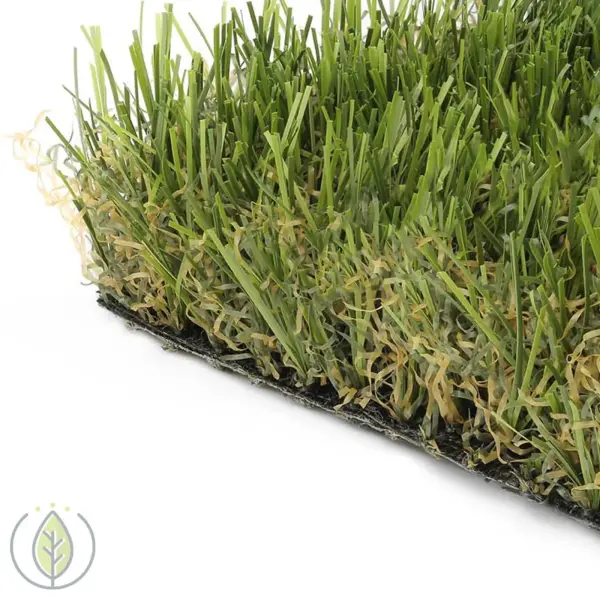
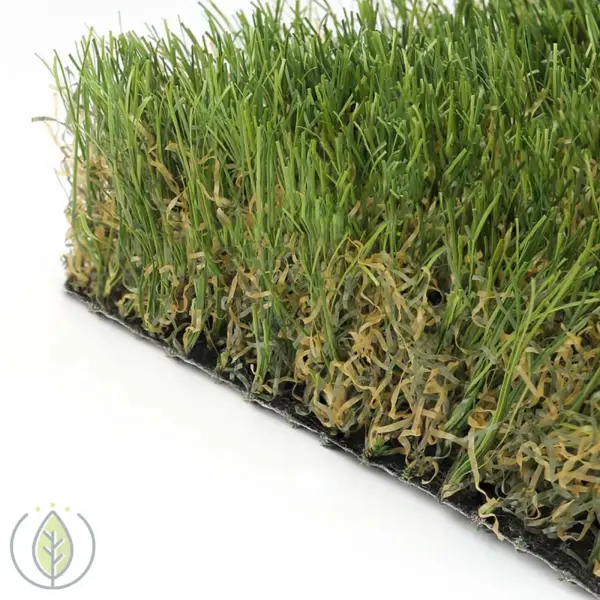
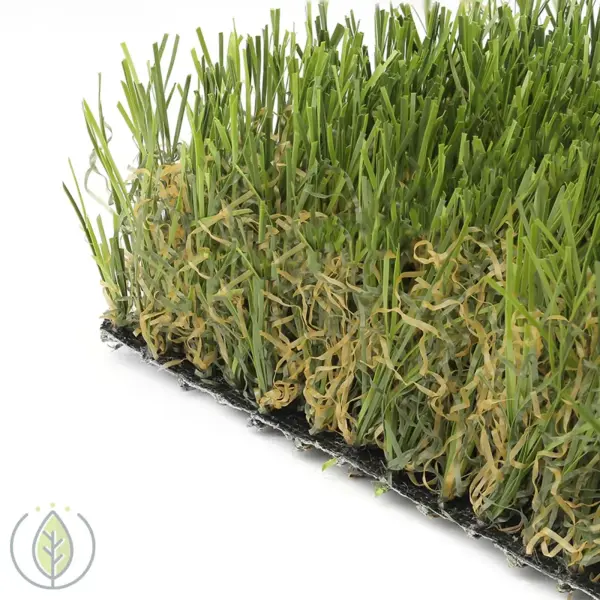
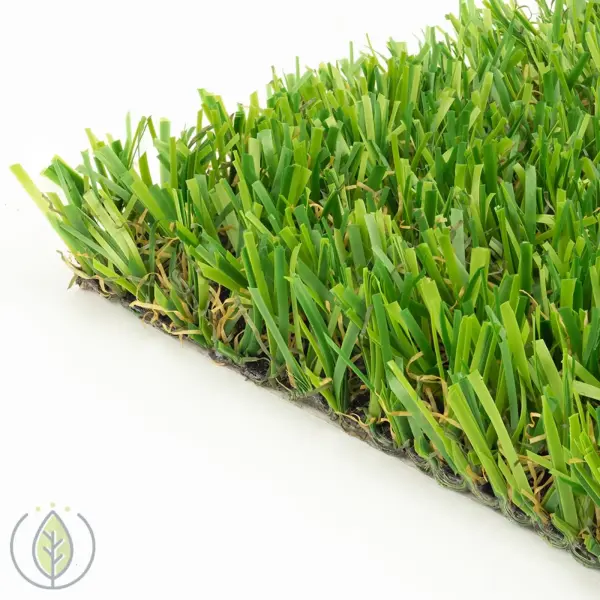
Playground Artificial Grass: Safety, Softness and Hygiene
In children's play areas, artificial grass outperforms natural turf on both safety and hygiene. The cushioned pile reduces injury risk on falls, while the anti-static and anti-bacterial construction keeps the surface clean for kids to play on. It's now the standard surface for community playgrounds, daycare gardens, municipal parks, and the play zones inside shopping centres.
Which Pile Height for a Playground?
For playgrounds, 30-50 mm pile heights are the standard — taller fibres absorb fall impact more effectively. Jupiter (30 mm) is a durable, cost-effective choice for general playground installations. Saturn and Uranus (40 mm) balance safety and aesthetics for mixed-age play areas. Sun and Earth (50 mm) are the softest and safest in the range — the right specification for nurseries and daycare facilities where toddlers and young children spend most of their time on the ground.
Child Safety and Hygiene Benefits
The soft, cushioned pile reduces injury risk on falls — adding a safety layer beneath swings, climbing frames and slides. Anti-static fibres prevent static shock, so kids can sit and play on the surface comfortably. Fire-retardant construction matters around play equipment that may be heated by direct sun. The anti-bacterial backing resists mould and microbial buildup, and UV-resistant yarn means the surface won't degrade or shed brittle plastic particles over time — a fully safe play surface from day one and through years of use.
Community, Nursery and Park Applications
For community playgrounds and residential play areas, 30-40 mm products typically meet safety requirements. For nurseries and daycare centres, the 50 mm range offers maximum fall protection for toddlers. Across municipal parks and shopping centre play zones, the surface stays green and presentable under heavy daily traffic. Without mud, dust or allergenic pollen, children stay cleaner, asthma triggers drop, and the play space is ready to use the moment kids arrive.
Frequently Asked Questions
Artificial grass is hypoallergenic — no pollen, no flowering, no grass particulate to inhale. For children with asthma or hay fever, it's typically a much safer choice than living turf.
Yes. A 30-50 mm pile acts as an impact buffer, and our 50 mm Sun and Earth products — used together with a granulate underlayer — can absorb up to 40% of the energy from a fall.
Every age group. For toddlers (0-6 years), we recommend 50 mm Sun or Earth for maximum cushioning. For older children (6-12), 40 mm Saturn or Uranus works well. For high-traffic playgrounds with older kids, 30 mm Jupiter offers the best wear life.
In direct, prolonged sun, synthetic grass can run warmer than live grass, but it doesn't reach burning temperatures and the soft pile prevents skin abrasions. In shaded play areas or during early-evening play, it remains entirely comfortable. We recommend shade structures over heavily used play zones in hot climates.